

Repairing Leaks From Cast Iron Downpipe Joints
Leaks from cast iron downpipe joints can be a major issue. They can lead to water damage and also encourage the growth of mildew and mould.
Fortunately, these pipes can be repaired. You'll first have to use a wirebrush to remove any rust or paint from the pipes. Once the pipes are cleaned, you'll need to determine the extent and severity of damage.
Caulking
Caulking isn't a permanent solution It can, however, be used to stop further damage and to keep rainwater flowing. The majority of hardware and home improvement shops offer mortar caulking. It is used to seal gas leaks in bricks stone, metals, and bricks as well as repair foundations and fissures and stop leaks around windows and doors.
If you apply caulking, ensure that you remove any loose paint or rust from the area prior applying the new sealant. If needed, you can employ a wire brush or scraper to remove the paint or rust. Be careful not to scratch or cut the pipe. Wear gloves when working with caulking because the chemical compound can cause irritation to the skin.
First prepare the area for caulking application by cleaning it with a scraper or wire brush to remove any rust or debris that's stuck to the pipe joint. Masking tape should be placed either side of the space to allow clean lines to be applied when caulking. The end of the tube of caulk should be cut at 45 degree angles. Then you can fill the caulk gun up with a small amount of the compound. Apply it to the gaps and joints you wish to repair. When using a caulking tool, you must maintain your speed and pressure to apply a smooth, even bead of the compound to the joints or gaps.
Once you've applied the caulking, wait at least six hours before using the downpipe again. This will allow the caulking to fully dry and create a the strongest, longest-lasting seal.
While many people can do a small amount of work themselves to maintain their guttering and downpipes, it's recommended to leave major repairs to professionals who will provide the most effective results. This is especially true if the damaged areas are located inside walls, ceilings, or floors and require opening them up for access. If the entire rainwater system is in bad condition, you may want to replace it.
Pipe Repair Tape
Pipe repair tape can be used to repair small cracks or pinholes on an iron joint. This is a temporary fix to prevent further damage until a plumber can fix the issue. Leaking pipes must be fixed as soon as is possible, to prevent further damage and health problems. Leaking pipes slowly eat away at soil and foundation walls, creating structural problems within the home. Leaking pipes can also lead to extreme water damage and expensive repairs.
The most frequent cause of leaks in downpipe joints is when the putty seal is worn down, allowing water to escape. The pipe's hole could be so tiny that it can only be seen with a magnifying lens. Pipe thread tape is a simple way to make the seal more secure.
To apply the pipe thread tap, first shut off the water, then unscrew the leaky joint. Clean off any old sealant or tape, and clean the joint until the surface is clean for the new tape. Then wrap the tape around the pipe thread in the opposite direction to the way you will screw it back into the position. Wrap the tape around the pipe thread four to six times and then screw it back into the position. Once it's secured switch the water off and look for leaks.
Rubber gaskets are a different method to fix pipes. They are typically used on cast iron water meters and are made of an elastic material that can close the gaps between the pipe and the wall. They are readily available at many hardware stores and are an inexpensive solution to fix water meters that leak.
Epoxy patching materials can be used to repair damaged or corrosion-prone pipes. Epoxy is a durable, high-strength material that can be used to fill holes in corroded or cracked sections of pipe. These materials are available from many hardware stores, and are easy to use. It is important to apply the epoxy patching material on a dry, clean surface. You can also roughen it with sandpaper to improve adhesion.
Epoxy Patch
For homeowners, fixing leaky cast iron pipes is an extremely difficult task. With a little planning and the right tools, fixing cast iron pipes is an easy job.
The shut-off of the water is the first step in repairing the cast iron pipe which has a leak. After shutting off the water supply, you will be able to access the damaged portion of the pipe to begin the repair. Wearing masks on your face and work gloves is a good idea prior to you begin. This will shield your lungs and hands from any potentially dangerous dust or chemicals that may be present in the pipe.
Once you have accessed the area in which the leak is, it is important to clean and eliminate any rust or corrosion that has formed. This will ensure that the epoxy will be able to adhere properly to the cast iron and won't leak. After cleaning, it's also a good idea to wipe down the area with a rag and some acetone or a different solvent to eliminate any remaining dust or debris.
After the surface of the pipe is cleaned, it's time to apply the epoxy patch. horsham Downpipe Services is a thick liquid that can be applied using the help of a brush or putty knife to the affected area of the pipe. It is essential that the epoxy be spread evenly across the entire area in which the leak is taking place. This will help to stop future leaks.
It is a good idea to wrap the epoxy patch with the form of a layer of pipe repair tape after it has been sprayed. This will enhance the strength of the epoxy and stop any further leaks. After the epoxy patch has been put in place, it is suggested that you allow the pipe to dry completely before turning off the water.
After the pipe is repaired, it's an ideal idea to inspect it frequently for signs of damage or leaks. This will help to ensure that the cast iron pipes continue to provide a safe and reliable water supply and waste removal system for your home.
Excavation and Replacement
The removal and replacement of pipes can be required in cases of severe or extensive damage. This usually happens when pipes are leaking, severely corroded or otherwise unrepairable. A plumbing company that specializes in sewer line repair can assist you in identifying and fixing the issue. This is an expensive and disruptive service, but it's necessary for ensuring the safety and security of your home's piping.
To prevent the spread of a leaky pipe it is vital to carry out regular inspections. This can be accomplished by using a flashlight to look for signs of corrosion or water seepage. Check the pipes exposed in your home as well as the piping hidden in ceilings, walls, and floors. Leaking pipes can eat away at the drywall and foundation of your home, which can cause serious structural problems.
It's crucial to act immediately if you spot leaks. This will limit the damage to your home and possible health hazards. If you cannot find the root of the issue, a plumber will use a CCTV camera inspection of the sewer pipe to inspect all components and spot any issues.
In addition to preventing leaks, it's crucial to shield your cast iron pipes from moisture and debris. Making sure your pipes are secured can save you money and time in the long in the long run. It's also easy to do! Just clean your pipes periodically and cover them with a layer waterproof sealant.
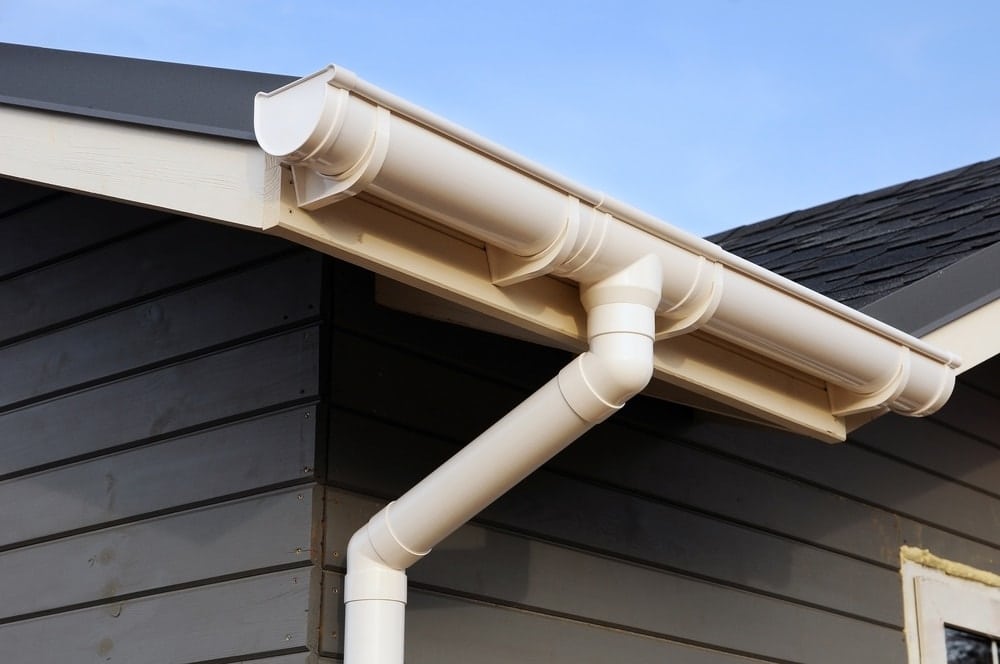
It's also a good idea to install a rainwater guard over your gutters to stop debris and dirt from getting within the gutters. This will stop overflow and clogging and stop water from escaping from your gutters and downpipes. A rainwater guard will also aid in maintaining the integrity of the roof and gutters, decreasing the risk of damage and leaks. Contact us if you have any questions regarding the protection of your cast iron downpipes or gutters. We're always here to help! We are a team of experienced plumbers that specialize in the repair and installation of sewer lines and drainage systems. We're dedicated to providing high-quality professional services at reasonable costs. We're licensed and insured so you can be confident that we will take care of your house like it were our own.